
The case
A Canadian power-to-liquid plant.
TIPI Canada is developing a 40 megawatt clean-fuels plant in British Columbia, with a path to 100 megawatts. This page is the case we take into the room. The figures are a directional base case. They are subject to vendor quotations and offtake.
Canada has almost no domestic SAF production.
01
Aviation is one of the hardest sectors to decarbonize.
02
2030 and 2050 net-zero targets require Canadian-made low-carbon fuels.
03
No commercial facility is developing the workforce the industry needs.
04
Canada has almost no domestic SAF production.
Our solution
A pure power-to-liquid facility. British Columbia based. Forty megawatts to start, with a path to one hundred. The planned slate is about 55 percent eSAF, 30 percent renewable diesel, and 15 percent naphtha.
- eSAF · 55%
- Renewable diesel · 30%
- Naphtha · 15%
Power
A pure power-to-liquid plant. Renewable electricity is the energy input.
Hydrogen
Green hydrogen, made on site by splitting water.
Carbon
Direct air capture supplies the carbon dioxide.
Synthesis
A modular Fischer-Tropsch train turns those streams into liquid fuel.
Market opportunity
- Up to 200M L
- Federal target for low-carbon fuels by 2030–31.
- ~7.5M L
- Procured so far, against that target.
- ~9.2B L
- Aviation fuel sold in Canada in 2025.
- ~275M L
- A 3 percent eSAF blend from 2030, each year.
BC LCFS and the Federal Clean Fuel Regulations create credit value on a low carbon intensity. Offtake also sits on book-and-claim platforms, where the attribute can move even when the physical litre cannot.
Business model
01
Fuel sales
Offtake of eSAF, renewable diesel, and naphtha. Physical litres, from a plant in British Columbia.
02
Credit value
BC LCFS and the Federal Clean Fuel Regulations stack on a low carbon intensity.
03
Training campus
Technician, trades, and first-responder programs, on the same ground as the plant.
04
Book-and-claim
Attribute transfer where physical delivery is limited. The molecule and the claim do not have to travel together.
How we go to market
01
Customer discovery
Learn who will actually take the litre, and on what terms.
02
Early offtake
Open discussions before the plant is financed, so the slate follows demand.
03
Partnerships
Power, site, technology, and delivery. The plant is not built alone.
04
Book-and-claim
A path for buyers who need the attribute before a physical litre can reach them.
05
Policy alignment
Sit inside the rules already written: BC LCFS, the Federal Clean Fuel Regulations, and the 2030–31 targets.
06
Education campus
Train the technicians, trades, and first responders the industry does not yet have.
The field
Most Canadian SAF projects are early-stage, or they are biomass-based. Few pure power-to-liquid facilities are advancing toward commercial scale.
Where this one sits
- A pure power-to-liquid pathway.
- Modular design, built so 40 MW can become 100 MW.
- An integrated training campus, not a plant alone.
- British Columbia: clean power, and water.
Traction and projections
Directional base case. Subject to vendor RFQs and offtake. Not a forecast of what an investor will receive.
First plant
- Hydrogen
- ~5,900 t/yr
- Total liquids
- ~8.6 ML/yr
- Equity IRR
- 25.7%
- NPV at 8%
- CAD 46 M
- Base DSCR
- 2.80×
Equity IRR, NPV, and DSCR are outputs of that base case. They move when power price, capital cost, offtake, and the certified carbon intensity move.
Team
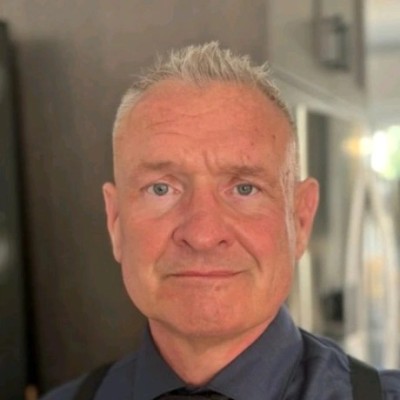
David J. Sedmak
Founder
Métis founder. Patent applications pending on 100 kW to 5 MW zero-emissions portable power plants. Invited to submit to NATO DIANA.
david@tipicanada.com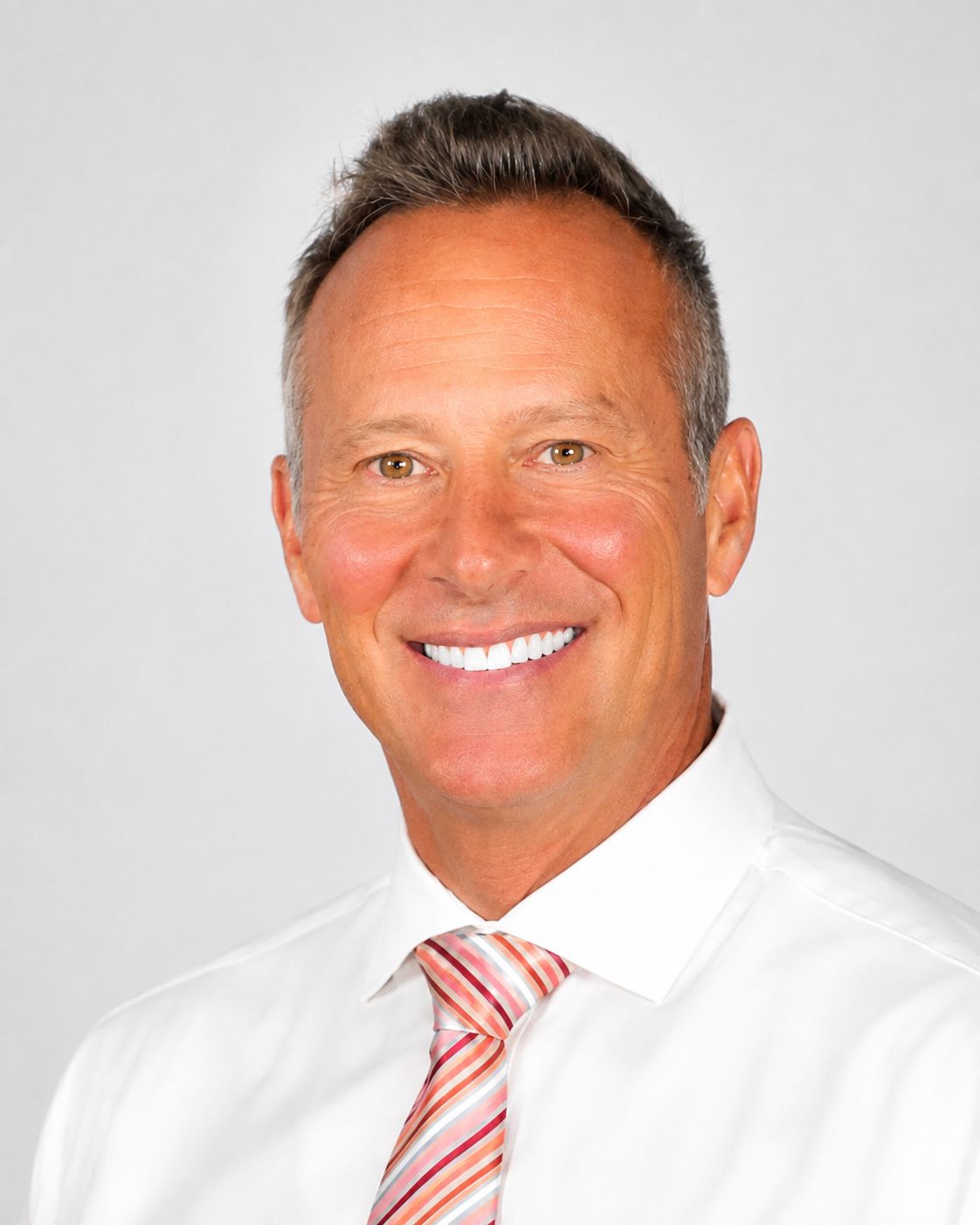
Mark McKellar
Safety and training
Former Vancouver Fire Department captain, retired after 32 years. Oversees safety, HAZMAT compliance, and training, including electrical, instrumentation, and pressure welding.
mark@tipicanada.com
JJ McKellar
Co-Founder, financial oversight
Twenty-five years in finance, including automotive credit and higher-risk financing.
jj@tipicanada.com
Also at the table
- Dr Mohammed Hussain, technology consultant.
- Participating in the Foresight Canada ecosystem of cohorts.
- An on-site education and training campus, to build the skilled workforce.
- The advisory board is still being added to.
Seeking a $10 million seed.
Structured with the BC Eligible Business Corporation program: a 30 percent tax credit for eligible individuals, and a rebate for corporations, as the company describes it.
The company describes the hold as long-term. A seven-year exit, aiming at 2.5 times capital, in addition to the initial EBC credit. That aim is the company’s statement. It is not a promise, and it is not a prospectus.
What the seed is for
- Initiate front-end engineering design.
- Secure the site.
- Advance offtake.
- De-risk the project to a final investment decision.
- David Sedmak · david@tipicanada.com
- JJ McKellar · jj@tipicanada.com
- Mark McKellar · mark@tipicanada.com
- info@tipicanada.com
This page restates the company’s development case for conversation. It is not an offering of securities, and it is not investment advice. Eligibility for any tax credit depends on the investor, the structure, and the rules in force at the time.