40 MW plant in development. Commercial operation targeted for 2030–31.

Fuels

The fuels, in plain language.

Everything we plan to sell comes from the same train. Water and renewable electricity become green hydrogen. Carbon dioxide is captured from the air. Those two streams become a liquid. The liquid is split into three fuels.

Jet wing over mountains

Green hydrogen

Hydrogen made by splitting water with renewable electricity. Inside the plant it is the feedstock for eSAF, renewable diesel, and naphtha. Outside the plant it is a product in its own right, for customers who want the molecule for process heat, industrial use, or vehicles, once that use is agreed.

eSAF

electro Sustainable Aviation Fuel. Synthetic jet fuel made from green hydrogen and captured carbon dioxide, rather than from crude oil. Planned as about 55 percent of output. It is designed to be certified for blending with conventional jet fuel. Aircraft see a blend. The synthetic share is what lowers the carbon intensity of that blend.

We are aiming this litre at operators who have to plan for 2030 and 2050, starting with demand we can reach by truck from British Columbia.


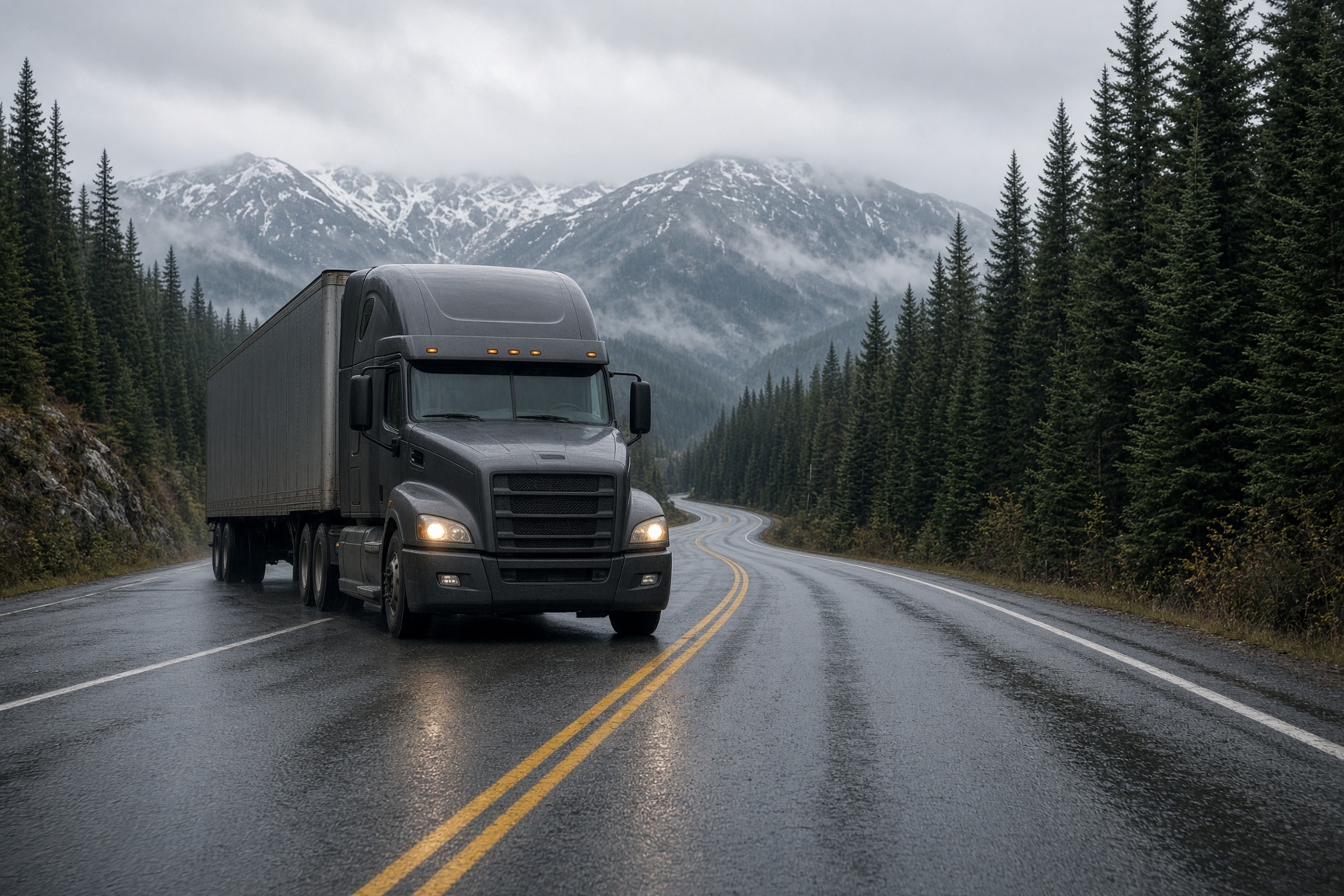
A freight truck on a wet mountain highway

Renewable diesel

A diesel made in the same plant, planned at about 30 percent of output. It is for trucks, yards, and equipment that already run on diesel, once the fuel meets the standard those engines require.

For a fleet, the practical offer is a delivered litre and a clear carbon-intensity figure, so the operator can see what changes in the tank and what changes in the emissions account.

Naphtha

Naphtha is the light cut of the same liquid, planned at about 15 percent of output. In plain terms it is a synthetic light fuel in the gasoline and chemical-feedstock range. A useful shorthand is an e-gasoline, or a light kerosene-range stream, depending on the final cut. Refiners and fuel suppliers use it as a blendstock or as a feedstock.

What a buyer can ask us

  • Which fuel, and roughly how many litres a year.
  • Plant gate, or delivered.
  • The years you need supply, from the 2030–31 target onward.
  • Whether you also want green hydrogen as hydrogen.

Write to info@tipicanada.com. David J. Sedmak is at david@tipicanada.com.